Recipe

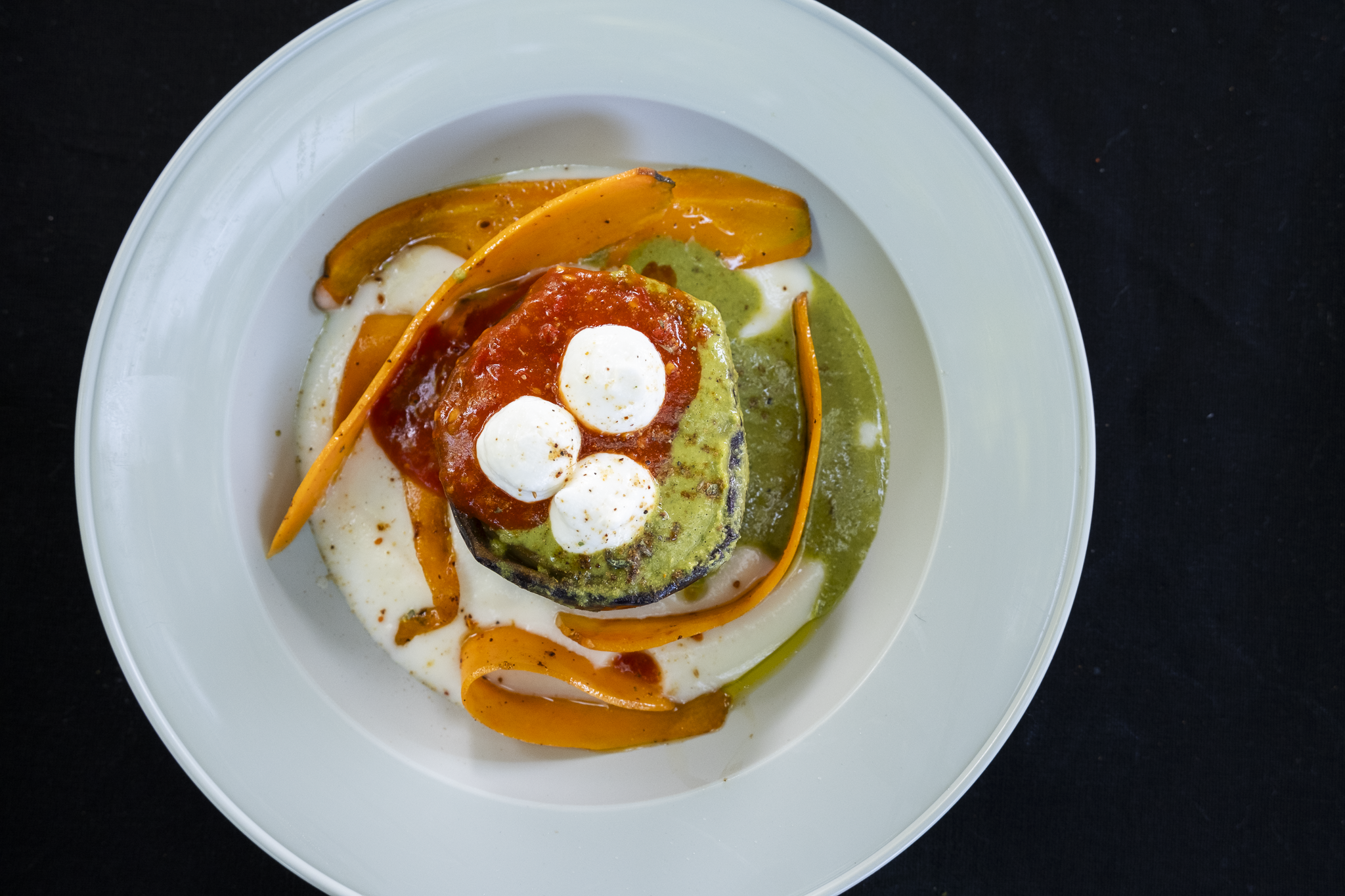
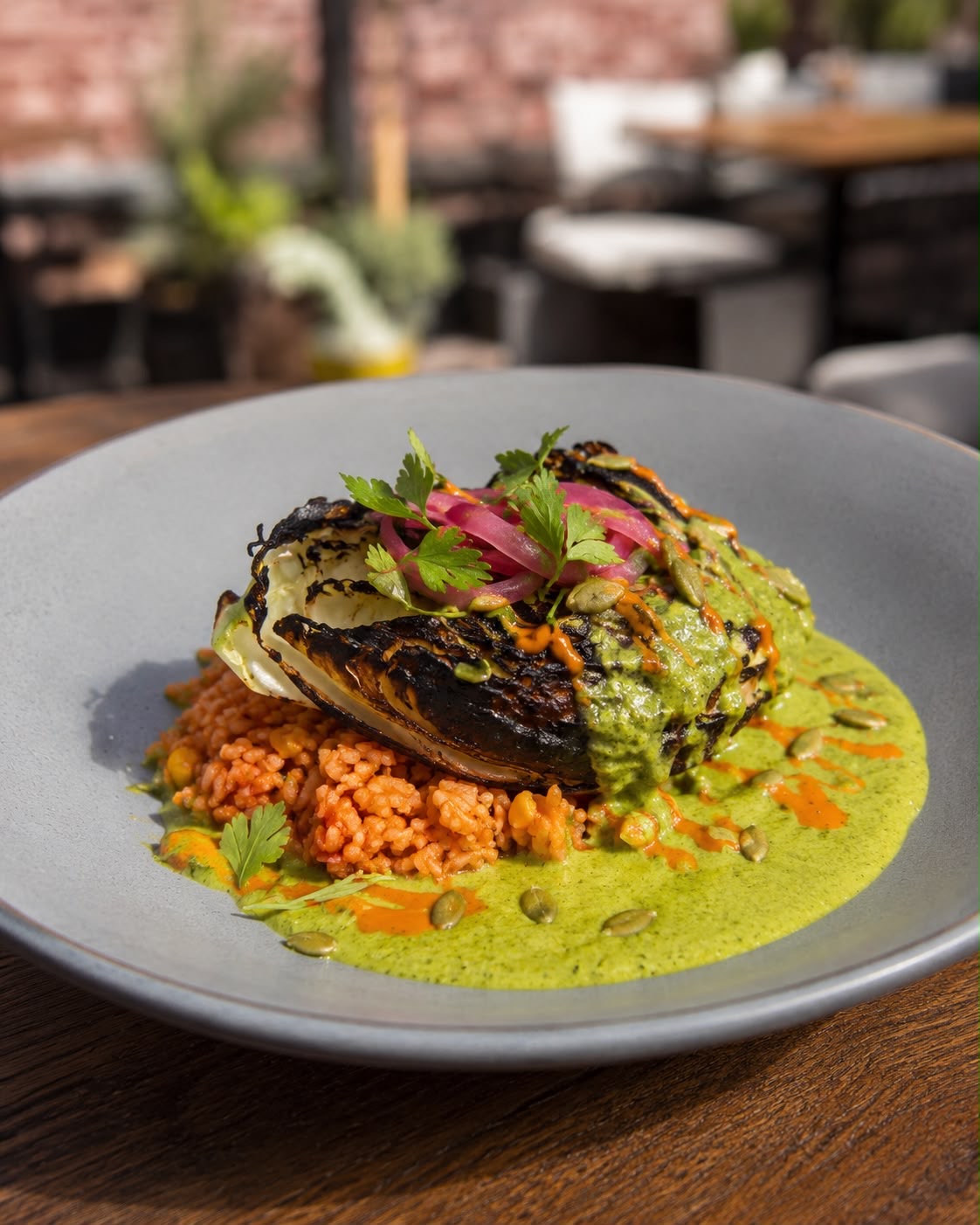
Ontario Charred Cabbage, Green Pipián, Guajillo and Tomato Rice

Intermediate
Flavourful rice infused with tomatoes and guajillo pepper, drizzled with creamy pipián made from local greens and topped with smoky charred cabbage. Need we say more?

About the Chef

José is a seasoned chef whose journey from Mexico through the kitchens of Italy, France, and Canada has given him a rich, well-rounded foundation and a deep technical command of his craft.

Drawing on classical European training and an unwavering pride in his roots, José brings a sophisticated yet authentic lens to Mexican cuisine. He is currently Executive Chef at El Catrin in Toronto's historic Distillery District, arguably Canada’s biggest and busiest Mexican restaurant. Whether he's running a bustling kitchen or teaching a hands-on class, José brings an energy and warmth to everything he does that leaves everyone around him fired up to cook (and eat)!

Chef José Matamoros

Ontario Charred Cabbage, Green Pipián, Guajillo and Tomato Rice

Ingredients

For the charred Ontario cabbage:

  • 1 small green cabbage, approximately 900 g–1.1 kg
    • 10 cabbages ÷10 = 1 cabbage; for 4 guests, you use exactly 1 cabbage, quartered
  • 50ml neutral oil
  • 8g kosher salt
  • 2g black pepper
  • 4g ground coriander
  • 1.5g Mexican oregano
  • 12ml lime juice

For the kombu vegetable dashi:

  • 800ml cold water
  • 13–14g kombu

For the Mexican red rice with guajillo:

  • 220g long-grain white rice
  • 30ml neutral oil
  • 150g ripe tomato
  • 50g white onion
  • 8g garlic
  • 12–15g dried guajillo chile
  • 25g tomato paste
  • 420ml kombu vegetable dashi
  • 6g kosher salt
  • 1 bay leaf
    • 8 leaves ÷10 = 0.8, rounded up to 1
  • 1.5g Mexican oregano

For the green pepita pipián:

  • 120g raw hulled pepitas
  • 250g tomatillos
  • 180–200g poblano peppers
  • 8–10g serrano peppers
  • 40g white onion
  • 10g garlic
  • 30g cilantro, stems included
  • 22g flat-leaf parsley
  • 40g spinach
  • 15–18ml lime juice
  • 350–400ml kombu vegetable dashi, as needed
  • 15ml neutral oil
  • 7–8g kosher salt, then adjust
  • 1.5g sugar (approximately ¼ teaspoon)

For the ancho tahini:

  • 50g tahini
  • 6–8g dried ancho chile
    • This is less than one whole chile; in practice use 1 small ancho chile and adjust the liquid at the end if it turns out too intense
  • 8–10ml fresh lime juice
  • 35–50ml cold water, as needed
  • 1.2–1.5g kosher salt
  • 0.5–0.8g garlic powder
    • A small pinch; if your measuring spoons don't go below this, use just under ⅛ teaspoon

For the Mayan-style macerated red onions:

  • 130g red onion, very thinly sliced
  • 2.6g kosher salt (2% of onion weight)
  • 40–50ml white vinegar
  • 15–25ml water
  • A little habanero pepper, very thinly sliced or minced
    • 1–2 habaneros ÷ 10 is almost nothing; use about ⅛ - ¼ of one habanero, or 2–3 very thin slices, and adjust to taste
  • 1–1.5 g Mexican oregano

For the toasted pepitas and fresh herbs:

  • 40g raw hulled pepitas
  • 15g cilantro leaves
  • 10g flat-leaf parsley leaves
  • Flaky salt, to taste
Directions

For the charred Ontario cabbage:

  1. Remove any damaged outer leaves, keeping the core intact.
  2. Quarter the cabbage through the core (this gives you the 4 portions).
  3. Season generously with neutral oil, salt, pepper, coriander and Mexican oregano.
  4. Roast covered at 190°C / 375°F until extremely tender, 45–60 minutes (time doesn't change since these are individual pieces).
  5. Uncover and finish at 220°C / 425°F, or on a grill/plancha, until deeply caramelized and charred.
  6. It should be very soft, almost collapsing, while still holding its quarter shape.
  7. Finish with lime juice and adjust seasoning.
  8. Cool and hold if not serving immediately.
  9. Reheat covered, then expose briefly to refresh the char if needed.

For the kombu vegetable dashi:

  1. Combine kombu and cold water.
  2. Allow to infuse for at least 30 minutes, preferably longer.
  3. Heat slowly until just below a simmer.
  4. Remove the kombu before the liquid boils.
  5. Strain and reserve.

For the Mexican red rice with guajillo:

Guajillo Preparation

  1. Stem and seed the guajillo chiles.
  2. Lightly toast if desired, taking care not to burn them.
  3. Hydrate in hot water until completely soft.
  4. Drain.

Tomato-Guajillo Purée Preparation

Blend together tomatoes, white onion, garlic and hydrated guajillo until completely smooth.

Rice Preparation

  1. Heat neutral oil and toast the rice gently until opaque and lightly golden.
  2. Add tomato paste and cook briefly.
  3. Add the tomato-guajillo purée and cook down until concentrated and aromatic.
  4. Add hot vegetable dashi, salt, bay leaves and oregano.
  5. Cover and cook until tender.
  6. Rest covered for 15 minutes.
  7. Fluff carefully.

For the green pepita pipián:

  1. Toast the pepitas lightly without taking them too dark.
  2. Roast or blister the poblanos.Cook or roast the tomatillos, onion, garlic and serranos.
  3. Blanch the spinach very briefly and shock immediately in ice water.
  4. Blend the pepitas, vegetables, spinach, cilantro and parsley with enough vegetable dashi to create a smooth sauce.
  5. Add lime juice, salt and sugar.
  6. Stream in neutral oil while blending.
  7. Continue adding dashi until the pipián is smooth, fluid and spoonable.

For the ancho tahini:

  1. Stem and seed the ancho chiles.
  2. Toast very lightly.
  3. Hydrate in hot water until completely soft.
  4. Drain and blend the ancho with a small amount of water until smooth.
  5. Combine with tahini.
  6. Add lime juice, salt and garlic powder.
  7. Slowly blend or whisk in cold water until smooth and fluid.

For the Mayan-style macerated red onions:

  1. Thinly slice the red onions.
  2. Toss thoroughly with 2% salt by weight.
  3. Massage lightly and allow to sit until the onions begin to soften and release moisture.
  4. Add white vinegar.
  5. Add enough water only to soften the sharpness of the vinegar.
  6. Add habanero and Mexican oregano.
  7. Mix thoroughly.
  8. Allow to macerate under refrigeration.

For the toasted pepitas and fresh herbs:

  1. Toast the pepitas lightly and season with salt.
  2. Pick and wash the herbs.
  3. Dry thoroughly.
  4. Keep the herbs as small leaves rather than chopping them finely.

Join the Flavour Harvest community and rediscover the joy of good food.

Get exclusive invites to local food events, and meet friends and neighbours over shared tasting and learning experiences.

Thank you for subscribing!
Something went wrong while submitting the form.